Open a title and press Watch — the player sits right under the description. Above it you pick the player, the dub and the episode; the gear holds quality, Picture (enhancement), subtitles and intro skipping. Episodes open where you left off.
Why do some titles have no player?
It means the episode isn’t on the site yet — or it hasn’t aired: then the title page shows a countdown to the premiere. Titles without video are marked right on the poster so you don’t open the page for nothing.
What are points and how do I get them?
The site’s own currency — it can’t be bought. You get 5 for every episode you finish for the first time (up to 100 a day), 25 for the daily bonus in the shop, and more for every new profile level (35 for level 2, 75 for level 10). Spend them in the shop on avatars, frames and wallpapers.
How do I change my nickname or avatar?
Nickname and bio live in your profile: “Edit” opens Settings → Profile. Avatars, frames and wallpapers are picked in the shop, the title before your name in settings. The nickname is public and forms your page address; your email is never shown to anyone.
What is My Flow?
An endless recommendation feed — on the home page and on its own page. React to cards: Plan, Seen, Not for me, Next — the flow learns as you go and gets closer to your taste. Pick a mood at the top (chill, action, drama…) and tune its character and length.

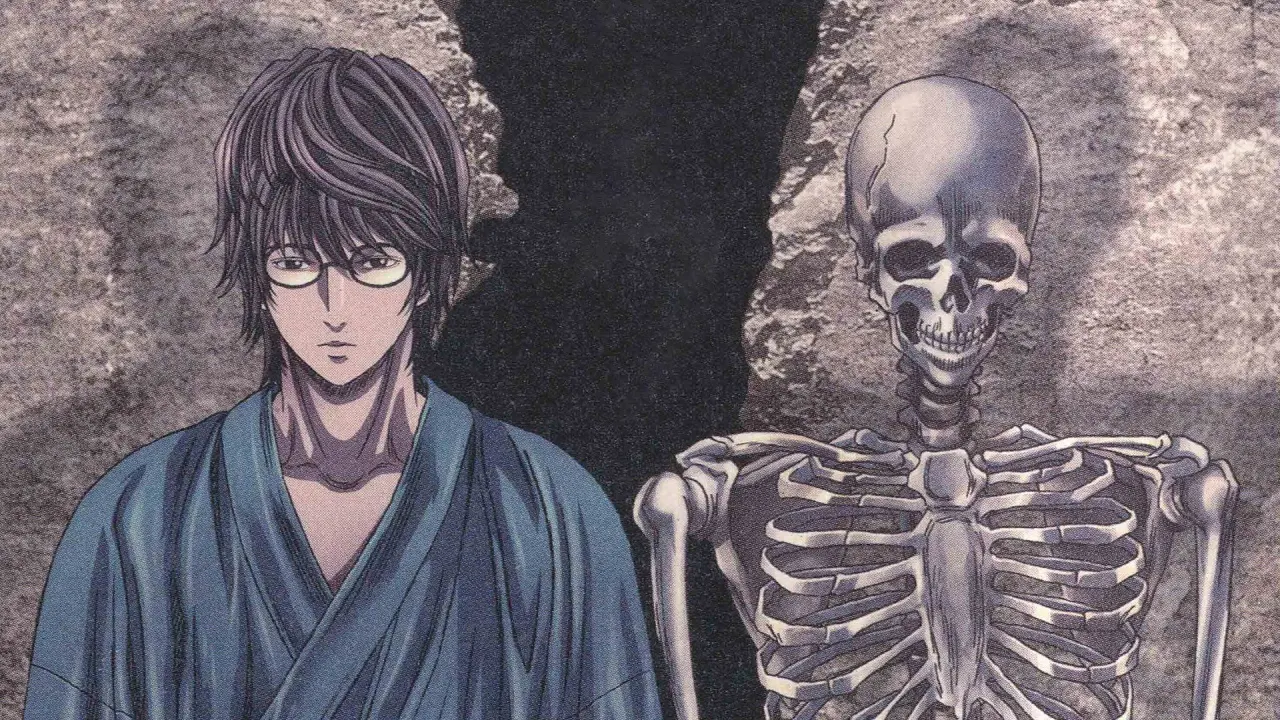
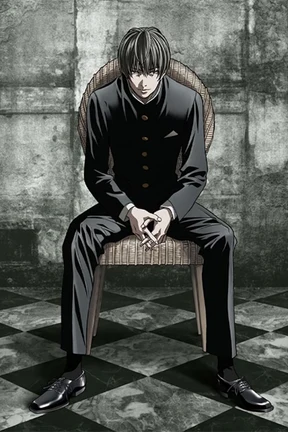
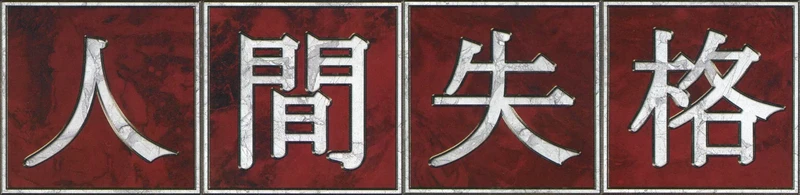
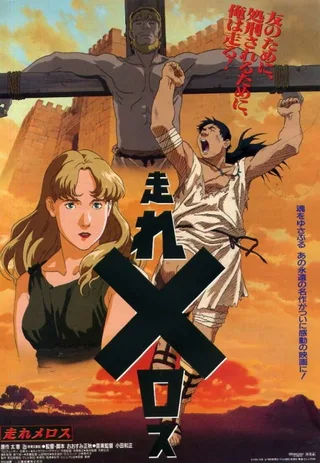
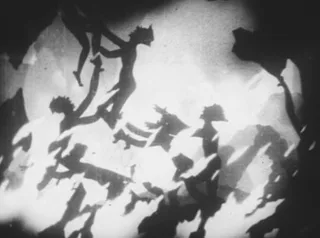
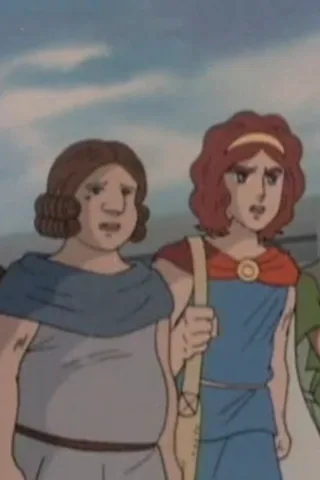
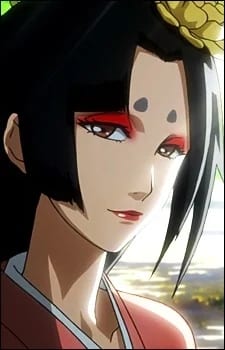
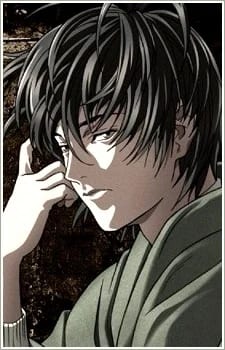
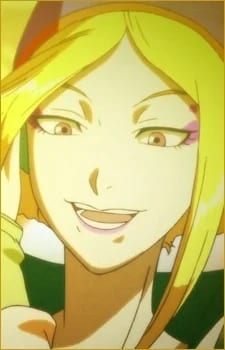
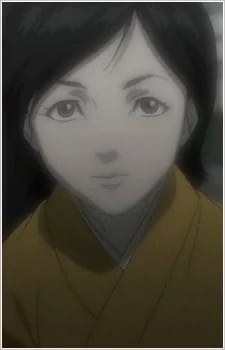
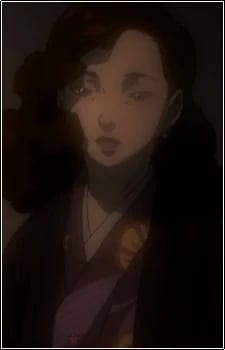
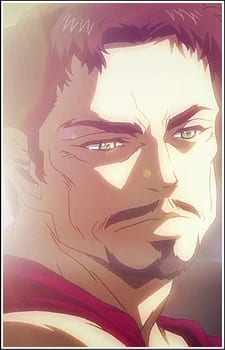
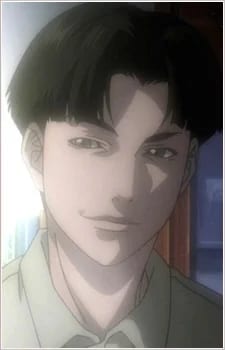
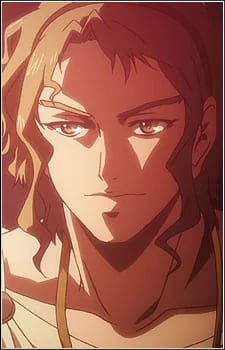
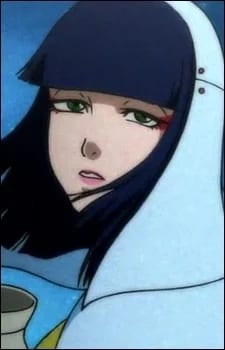
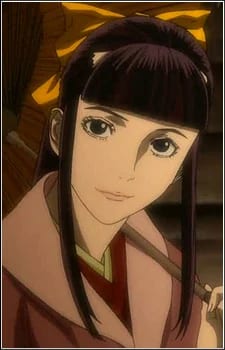
Anthology series adapting six modern classics of Japanese literature: No Longer Human (Ningen Shikkaku) by Dazai Osamu — A high school student becomes lost and alienated. Despondent and aimless, he falls into a cycle of self abuse, depression and drugs that taints his life for years. Told in three chapters, each chapter deals with a different point in his life and the final chapter leaves him standing alone — an empty and hollow caricature of his former self. In the Forest, Under Cherries in Full Bloom (Sakura no Mori no Mankai no Shita) by Sakaguchi Ango — A love story between a 12th-century woman and a mountain bandit who abducts her. Run, Melos! (Hashire, Melos!) by Dazai Osamu — An updated retelling of a classic Greek tale of the story of Damon and Pythias. Unwavering friendship is the most prominent theme of this retelling. Despite facing hardships, the protagonist Melos does his best to save his friend's life, and in the end his efforts are rewarded. Hell Screen (Jigoku Hen) by Akutagawa Ryuunosuke — A famous artist is commissioned by a great lord to create a series of paintings depicting scenes of the Buddhist Hell. The artist is unable to paint scenes that he has not seen himself, prompting him to torture and torment the Lord's staff to create his imagined images of hell. His creative efforts taint the household, as the story descends into madness and destruction. Kokoro by Natsume Souseki — A 1914 tale of a young man's life journey during the Meiji era. The work deals with the transition from the Japanese Meiji society to the modern era, by exploring the friendship between a young man and an older man he calls Sensei. It continues the theme of isolation developed in Souseki's previous works, here in the context of interwoven strands of egoism and guilt, as opposed to shame. The Spider's Thread (Kumo no Ito) by Akutagawa Ryuunosuke — The Buddha Shakyamuni chances to notice a cold-hearted criminal suffering in Hell. But this criminal did perform one single act of kindness in not stepping on a spider in a forest. Moved by this selfless act, Shakyamuni takes the silvery thread of a spider in Paradise and lowers it down into Hell, but it falls upon the criminal to seize the opportunity and pull himself out — if he can. (Source: AniDB)

Sign in to comment. Sign in →
No comments yet. Be the first?